CANARY
Turning raw environmental data into user-ready decisions
Timeline
June 2025 — September 2025
Role & Team
Product Designer working with product manager and 2 software engineers.
Company
Canary is a consumer environmental monitoring startup using at-home testing kits to analyze air quality and metal exposure.
Responsibility
Designed a data dashboard that translated complex lab-generated air quality and metal exposure data into clear, actionable insights for non-technical users, enabling better understanding of risk and next steps.
Impact
3× Faster Interpretation
Reduced the time required for consumers to understand lab test results compared to raw reports
10+ Data Signals Simplified
Translated complex lab outputs across multiple metals into a single consumer-facing dashboard
1 Unified Consumer View
Consolidated fragmented environmental data into one actionable experience
Canary’s at-home testing kits produced accurate but highly technical lab reports that were difficult for everyday consumers to interpret.
For people experiencing symptoms linked to poor indoor air quality, the lack of context, benchmarks, and guidance made it hard to understand exposure risks or take timely action. Without a clear translation layer, critical environmental health data risked being misunderstood or ignored.
Users were left to decipher unfamiliar units, thresholds, and risk levels on their own, often without knowing what mattered most or what action to take.
This created not only friction but also a barrier for the user to access information that could potentially impact their wellbeing.
Consumer environmental data was not consumer-ready.
Raw lab reports presented complicated data and no interpretation, prioritization, or guidance.
Problem
Before
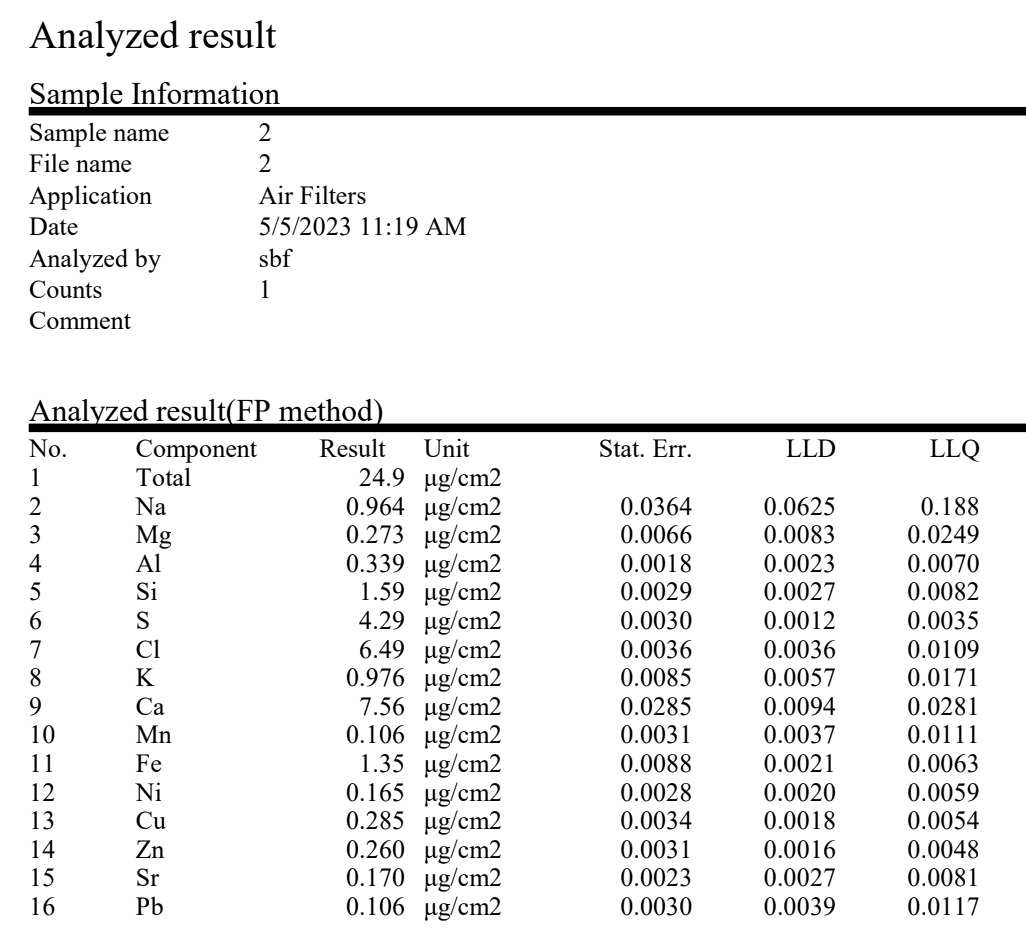
Consumer context = understanding
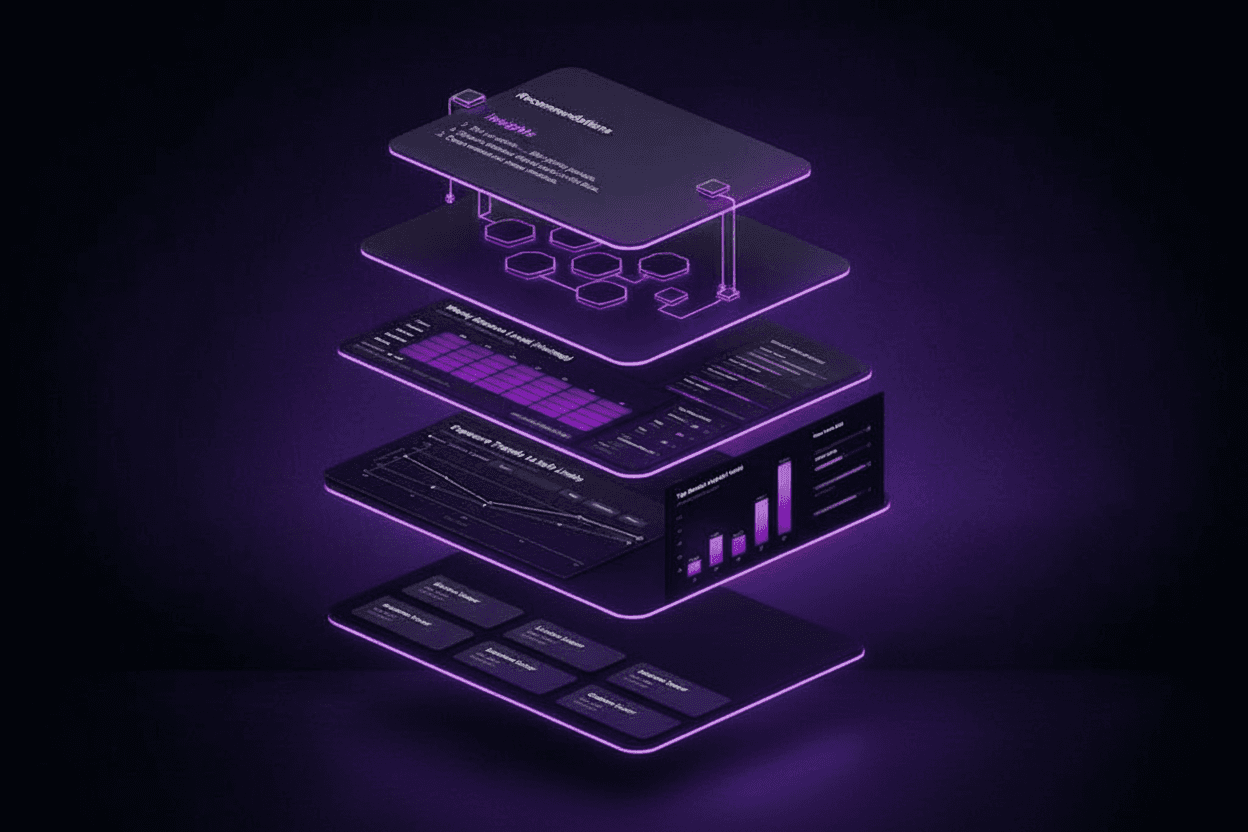
To make environmental data useful, consumers needed context, not raw numbers. I designed a system that grounded lab-generated air quality and metal exposure data in clear reference points, trends, and comparisons so users could understand what their results meant within the environment of their own homes.
Solution
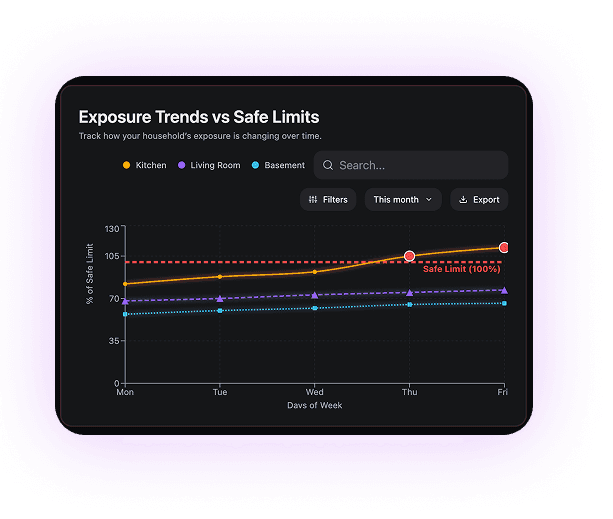
Exposure Trends vs Safe Limits
Raw values don’t communicate risk unless users can see how exposure changes over time and how close it is to unsafe thresholds. This view contextualizes sensor data by plotting trends directly against safe limits.
Visualizes exposure progression over time
Anchors data to a clear safe limit reference
Makes risk escalation immediately visible
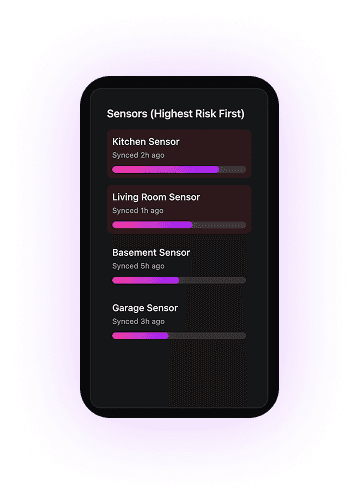
Risk-Ordered SensorsTo make
Users previously had to manually compare multiple sensor readings to understand where risk was coming from. This feature automatically ranks sensors by exposure severity, ensuring the most critical environment is surfaced first.
Prioritizes sensors closest to or exceeding safe limits
Reduces cognitive load by removing manual comparison
Directs user attention to where action is needed immediately
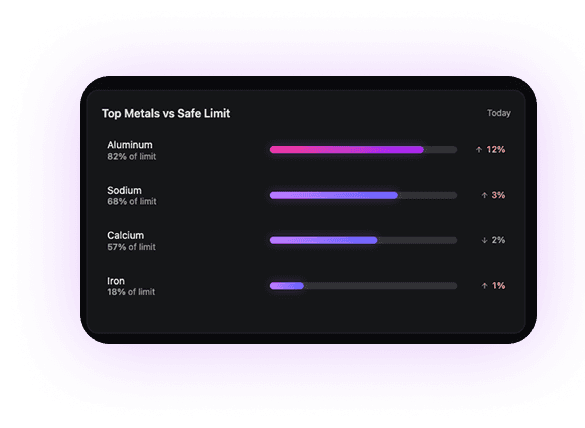
Top Metals vs Safe Limit
Individual metal readings were difficult to interpret in isolation. This view ranks detected metals by proximity to their safe limits, making relative risk immediately clear.
Highlights which metals pose the greatest exposure risk
Anchors measurements to safety thresholds
Surfaces increases or decreases at a glance
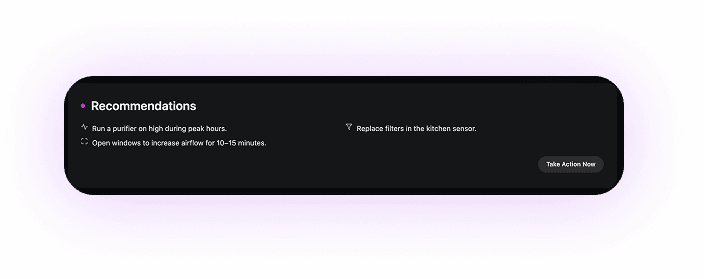
Actionable Recommendations
Understanding risk alone doesn’t change behavior. This panel translates exposure insights into clear, immediate actions users can take to reduce risk in their home.
Converts data into specific, time-bound recommendations
Reduces uncertainty around what to do next
Enables faster response through a clear call to action
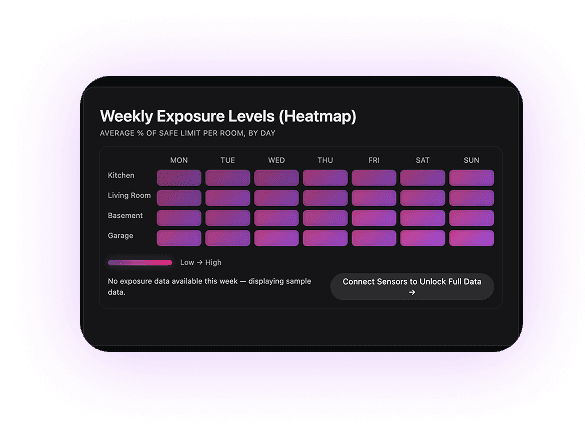
Weekly Exposure Levels (Heatmap)
Point-in-time readings made it difficult for users to recognize recurring patterns or problem areas. This heatmap visualizes exposure levels across rooms and days, revealing trends that would otherwise be missed.
Surfaces patterns across time and location
Helps identify consistently high-risk spaces
Supports proactive, preventative action
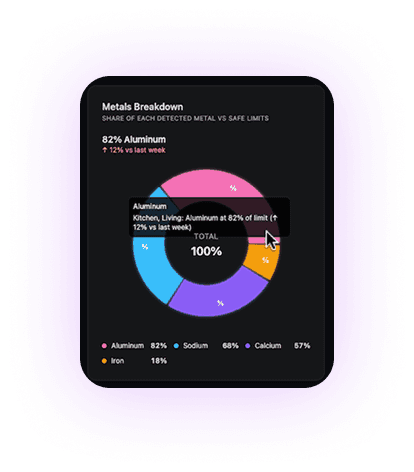
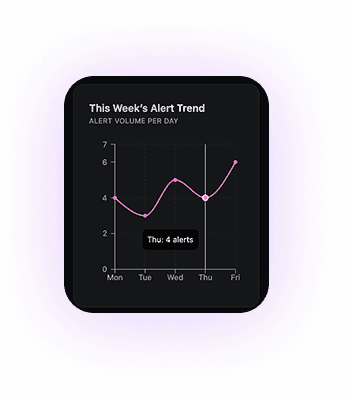
Exposure Composition & Alert Trends
Understanding overall risk requires both knowing what is driving exposure and how conditions are changing over time. These views break down metal contributions while tracking alert frequency to provide deeper context beyond point-in-time readings.
Visualizes which metals contribute most to total exposure
Tracks alert volume over time to reveal escalation or stabilization
Supports targeted, informed mitigation decisions
Feature Breakdown
Discovery
01 Interpret
02 Prioritize
03 Enable
I structured research to understand why accurate environmental lab data consistently failed to translate into confident household decisions, and what users needed in order to assess risk and take meaningful action.
Evaluate how users currently process technical air quality and metal exposure reports.
Identify which signals matter most to users when assessing risk in their homes.
Define what contextual layers are required to turn data into clear next steps.
Research Methods
Understanding how consumers interpret environmental health data
To understand both interpretation and behavior, I combined qualitative methods that emphasized real-time cognition over recall.
Baseline mental models and emotional responses to environmental health data.
Tested whether users could assess risk and decide next steps.
Observed real-time interpretation while users reviewed raw lab results.
Identified how users scanned, prioritized, and ignored information under time pressure.
Moderated User Interviews
Task-Based Evaluation
Think-Aloud Walkthroughs
Behavioral Observation
Key Insights & Synthesis
From research, three core insights emerged that directly shaped the system architecture and interface decisions.
Insight 1
Numbers without context increase anxiety.
Users felt more overwhelmed after seeing results when no benchmark or explanation was provided.
Insight 2
Users scan for risk, not completeness.
When presented with many signals, users looked for what was “most dangerous” first.
Insight 3
Actionability determines trust.
Without guidance, users delayed or ignored environmental risks entirely.
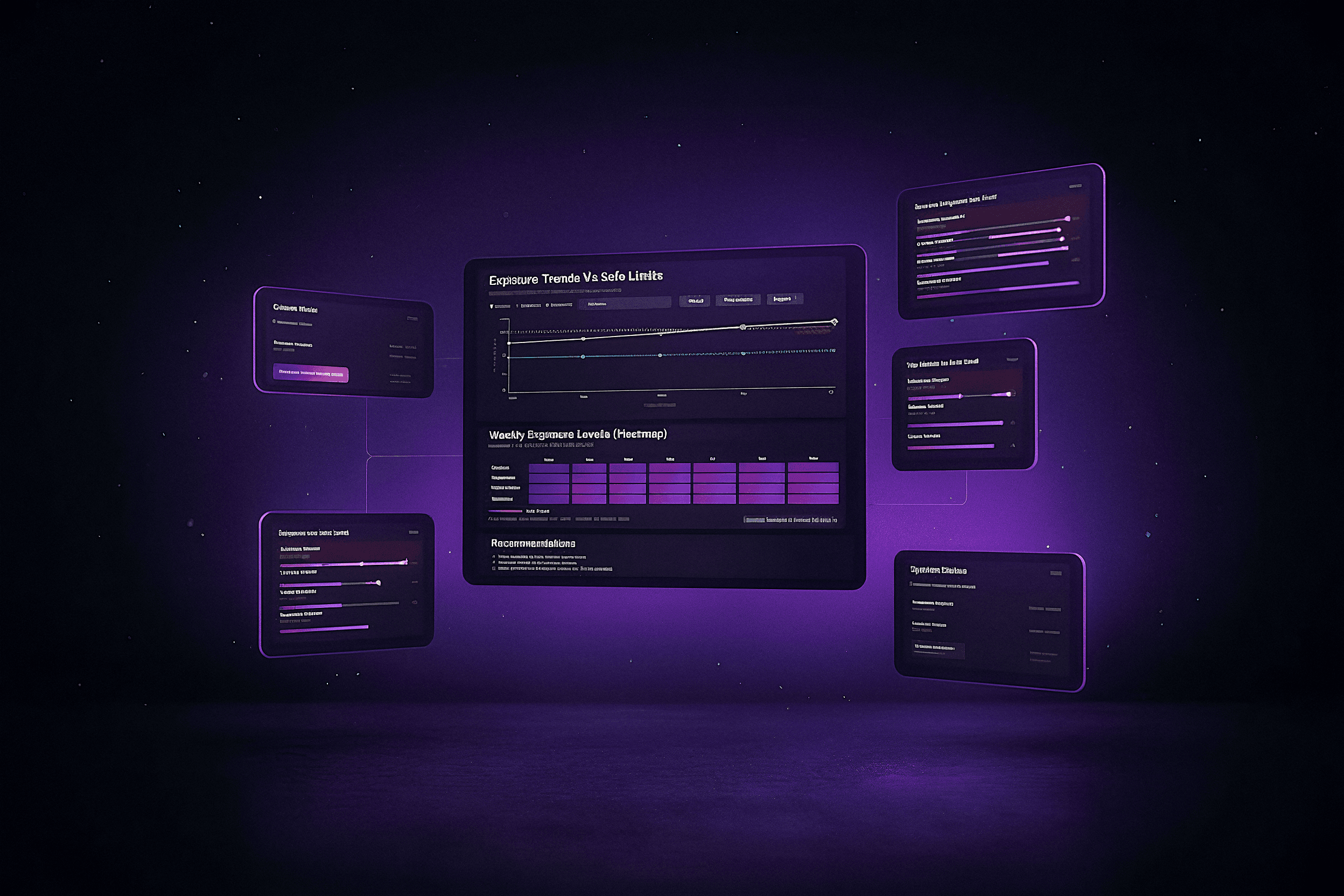
Design Principles
Design Principles
1. Context Before Numbers: Measurements only matter when grounded in limits, comparisons, and trends.
2. Prioritize Risk First: Users look for what is most dangerous, not a complete dataset.
3. Reduce Cognitive Load: Information should be scannable and interpretable in seconds.
4. Guide Emotional Response: Design must prevent panic while still communicating urgency.
5. Make Action Explicit: Every insight should clearly indicate the next best step.
6. Unify Signals Into One Mental Model: Multiple data sources should feel like one coherent story, not fragments.
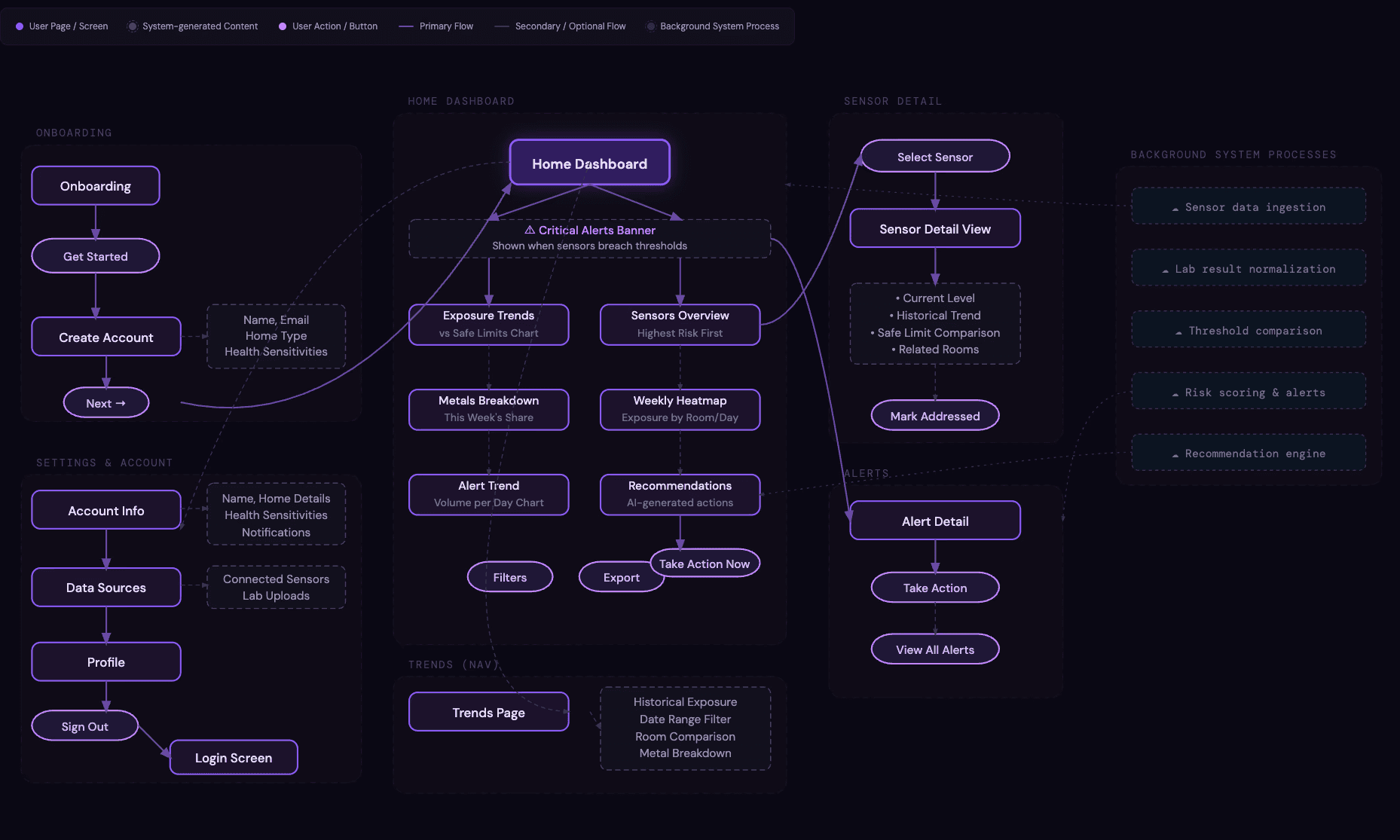
User Flow
A system flow that moves users from awareness to action with minimal friction.
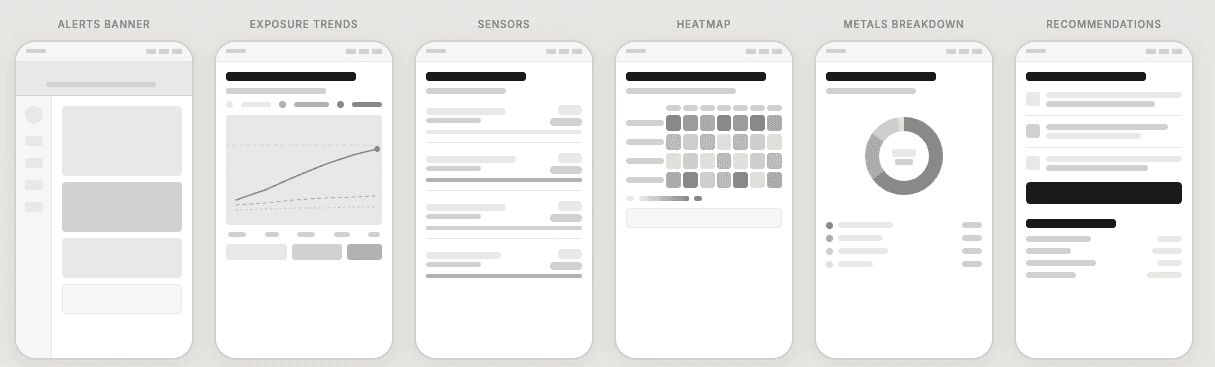
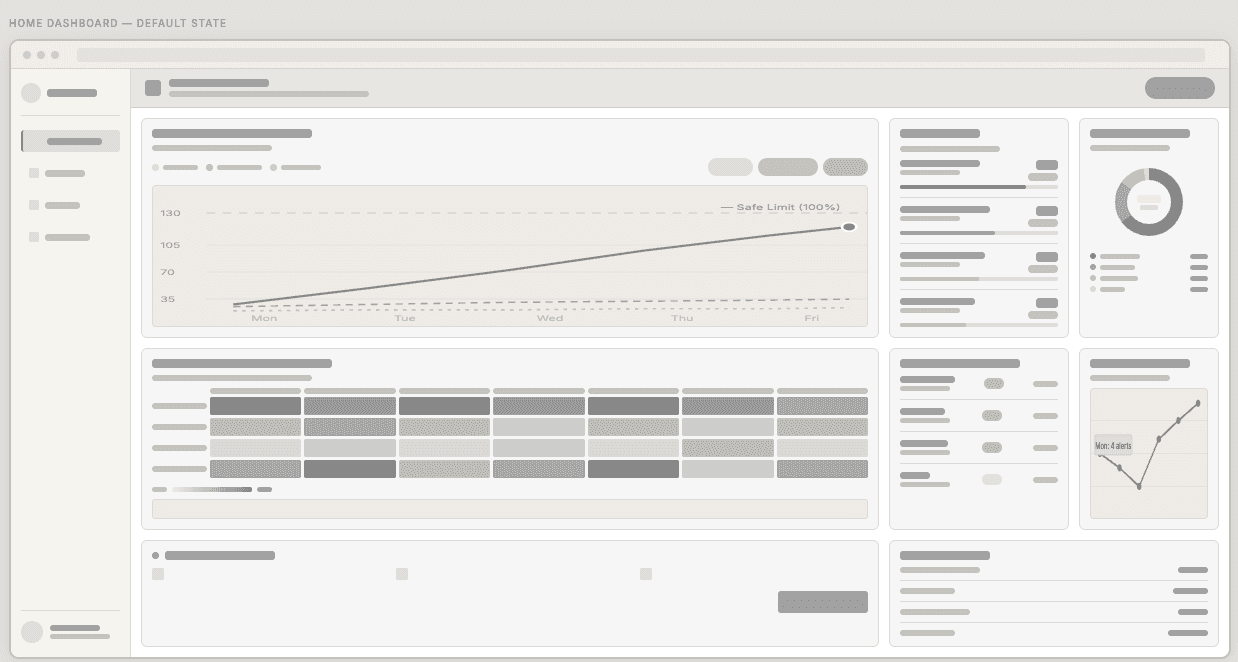
Low-Fidelity Prototype
Exploring structure and information hierarchy before visual detail.
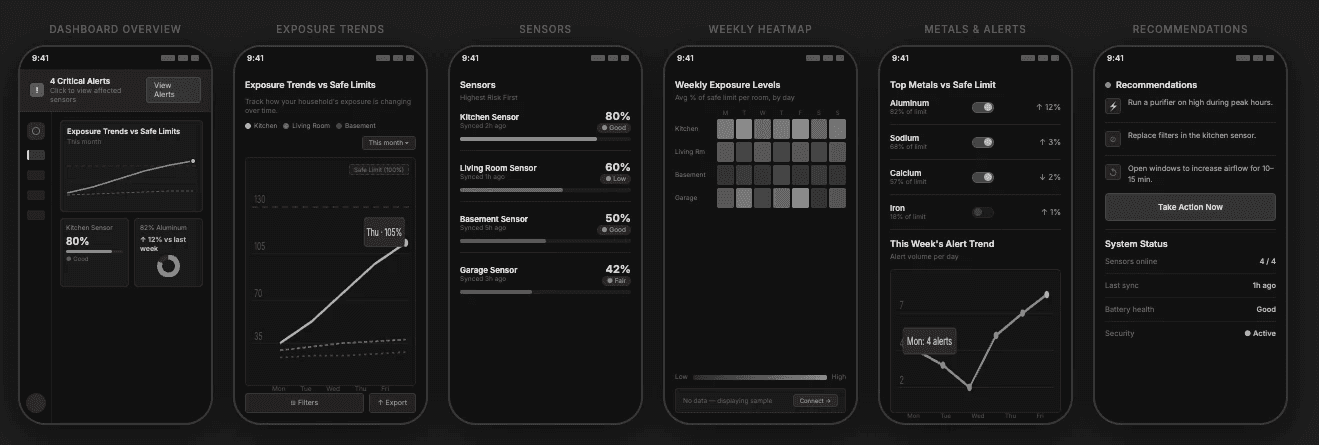
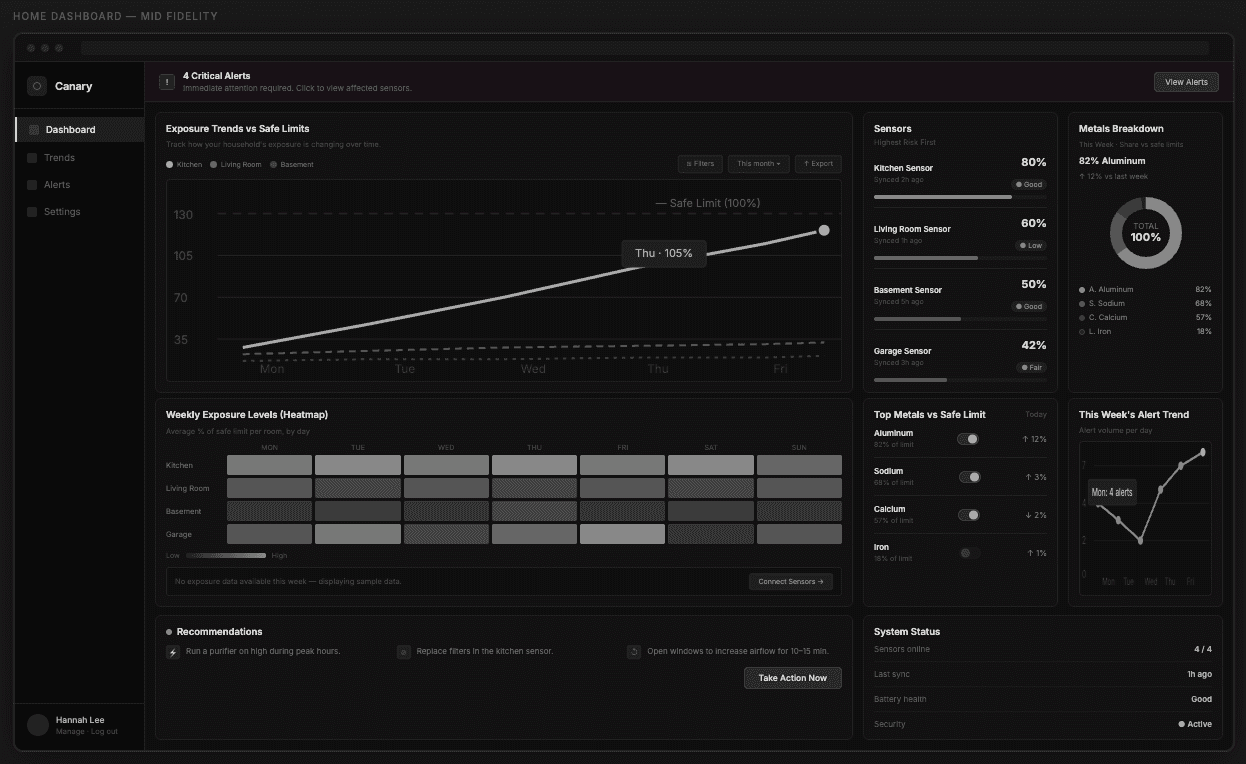
Medium-Fidelity Prototype
Refining layout, interaction, and hierarchy with increased fidelity.
Takeaways
Context is as important as accuracy.
Precise environmental data only becomes useful when grounded in benchmarks, trends, and clear reference points.Users prioritize risk, not completeness.
Surfacing what is most dangerous first enables faster understanding and better decision-making.Action builds trust.
Users were more confident and engaged when insights clearly translated into what to do next.Reducing cognitive load reduces anxiety.
Simplifying how information is presented directly improved comprehension and follow-through.